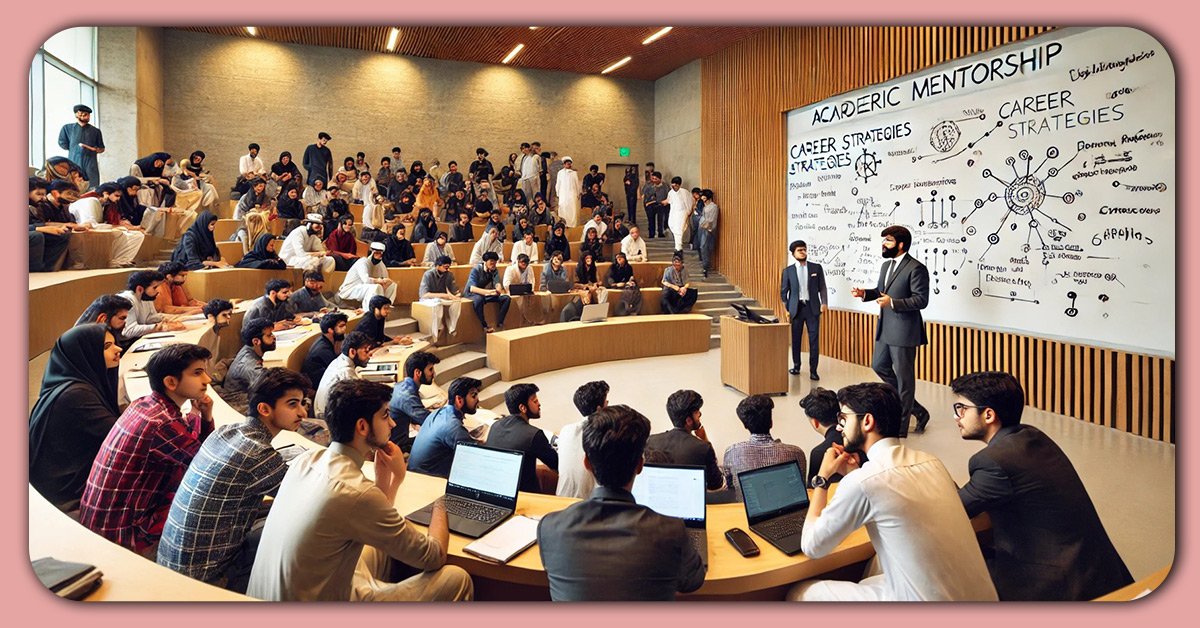
Addressing the Stigma Around Mental Health in Pakistan
Mental health is a vital aspect of overall well-being, yet in Pakistan, it remains a topic shrouded in stigma and misunderstanding. This pervasive stigma not only discourages individuals from seeking help but also exacerbates the challenges faced by those living with mental health issues.
In this blog, we will explore the roots of mental health stigma in Pakistan.
Understanding the Stigma
In Pakistani society, mental health issues are often viewed through a lens of cultural and religious misconceptions. Many attribute mental illness to supernatural forces or see it as a personal failing, leading to widespread shame and reluctance to seek help. This cultural stigma is deeply ingrained, making open discussions about mental health rare and fraught with judgment.
Impact of Stigma on Mental Health Care
The consequences of this stigma are profound:
? Reluctance to Seek Help: Fear of being labeled as "mad" or "possessed" deters individuals from accessing mental health services. This avoidance often leads to the worsening of conditions that could have been managed or treated effectively.
? Social Isolation: Those suffering from mental health issues may withdraw from social interactions to avoid judgment, leading to loneliness and exacerbation of their conditions.
? Limited Resource Allocation: The societal devaluation of mental health results in inadequate funding and resources for mental health services, contributing to a scarcity of professionals and facilities.
Current Mental Health Landscape in Pakistan
Pakistan faces a significant mental health crisis, with an estimated 50 million people experiencing mental health issues. Despite this, access to support remains limited due to stigma, lack of awareness, and insufficient services.
1. The Prevalence of Mental Health Disorders
Mental health disorders, including depression, anxiety, bipolar disorder, and schizophrenia, affect a large portion of the population. Studies indicate that:
? 34% of Pakistanis experience anxiety or depression at some point in their lives.
? Post-traumatic stress disorder (PTSD) is prevalent among individuals exposed to violence, displacement, and natural disasters.
? Suicide rates are increasing, particularly among young people, due to a lack of mental health support and social pressures.
2. Limited Access to Mental Health Services
Despite the growing need for mental health support, Pakistan faces a severe shortage of resources:
? Only 500 psychiatrists serve a population of over 240 million.
? Less than 1% of the national healthcare budget is allocated to mental health services.
? Mental health facilities are concentrated in urban areas, leaving rural populations with little to no access to professional care.
3. The Role of Stigma and Cultural Beliefs
Stigma remains one of the biggest barriers to mental health care in Pakistan:
? Many believe mental illnesses are caused by supernatural forces or personal weakness rather than medical conditions.
? Families often discourage professional treatment due to fear of social judgment.
? Seeking therapy or psychiatric help is considered a sign of weakness rather than self-care.
4. The Lack of Awareness and Education
Public awareness about mental health remains low, contributing to misunderstanding and mistreatment of those struggling:
? Mental health education is not part of school curricula, leaving students unaware of how to manage stress and emotions.
? Workplaces lack mental health policies, making it difficult for employees to seek help without facing discrimination.
? Media misrepresentation of mental illness reinforces harmful stereotypes, portraying mental disorders as dangerous or incurable.
Strategies to Combat Mental Health Stigma
Addressing mental health stigma in Pakistan requires a multifaceted approach:
1. Public Awareness Campaigns
Educating the public about mental health can dispel myths and reduce fear. Initiatives like community workshops, media programs, and school-based education can promote understanding and empathy.
2. Incorporating Mental Health into Primary Care
Training primary healthcare providers to recognize and address mental health issues can make care more accessible and reduce the need for specialized services.
3. Policy and Legal Reforms
Advocating for policies that protect the rights of individuals with mental health conditions and allocate resources for mental health services is crucial. Legal reforms can also decriminalize issues like attempted suicide, reducing fear of legal repercussions.
4. Community Support Systems
Establishing support groups and community-based services can provide safe spaces for individuals to share experiences and seek help without fear of judgment.
Role of Media and Influencers
The media wields significant influence over public perception. By portraying mental health issues accurately and compassionately, media outlets can challenge stereotypes and encourage open dialogue.
Influencers and celebrities speaking out about their own experiences can also normalize mental health discussions and inspire others to seek help.
Social Media as a Tool for Change
The rise of social media platforms has transformed how information is disseminated. Influencers, bloggers, and activists utilize these channels to spark conversations about mental health, share resources, and build supportive communities.
Campaigns and hashtags dedicated to mental health awareness can trend, reaching a diverse audience and fostering a culture of openness. Moreover, online support groups provide safe spaces for individuals to share experiences and coping strategies, reducing feelings of isolation.
Conclusion
Breaking the stigma surrounding mental health in Pakistan is a complex but essential endeavor. Embracing mental health as a critical aspect of overall well-being will not only improve individual lives but also strengthen the social fabric of the nation.
If you or a loved one are struggling with mental health challenges, remember that help is available. Mon Therapy offers accessible, confidential, and professional online therapy services in Pakistan tailored to your needs. Don’t let stigma or lack of resources hold you back, take control of your well-being today.
Recommended reading
 The Importance of Tackling Unemployment Issues in Pakistan
18 Aug 2025
 Ways to Boost your Mood Naturally
26 Mar 2024
 The Impact of School Bullying on Mental Health in Pakistan
26 Aug 2025
 How Anxiety Affects the Body and Mind
23 Apr 2025
Need to talk?
Sessions with a licensed psychologist, online or in person at our clinic in Bahria Town, Rawalpindi.
Book a session ↗