How Sibling Rivalry Affects Mental Health in Pakistani Families
Sibling rivalry is a common phenomenon in families worldwide, but in Pakistan, it can have far-reaching psychological consequences. Research suggests that around 80% of children experience sibling rivalry, with many conflicts going beyond simple disagreements.
In Pakistani households, where family bonds and social expectations are deeply ingrained, the effects of sibling rivalry often remain unaddressed, leading to significant emotional strain.
In this blog, Mon Therapy will explore the psychological effects of sibling rivalry. Let’s get started.
Understanding Sibling Rivalry in Pakistani Families
Sibling rivalry in Pakistani families often arises from a combination of cultural, familial, and societal factors. In many cases, these conflicts are exacerbated by the expectations placed on children to excel in academics, careers, and social roles.
Cultural traditions, such as the importance of maintaining family honor and fulfilling gender-specific roles, contribute to competition between siblings. Sons may face pressure to succeed professionally, while daughters are often expected to adhere to societal norms regarding marriage and family life in Pakistan.
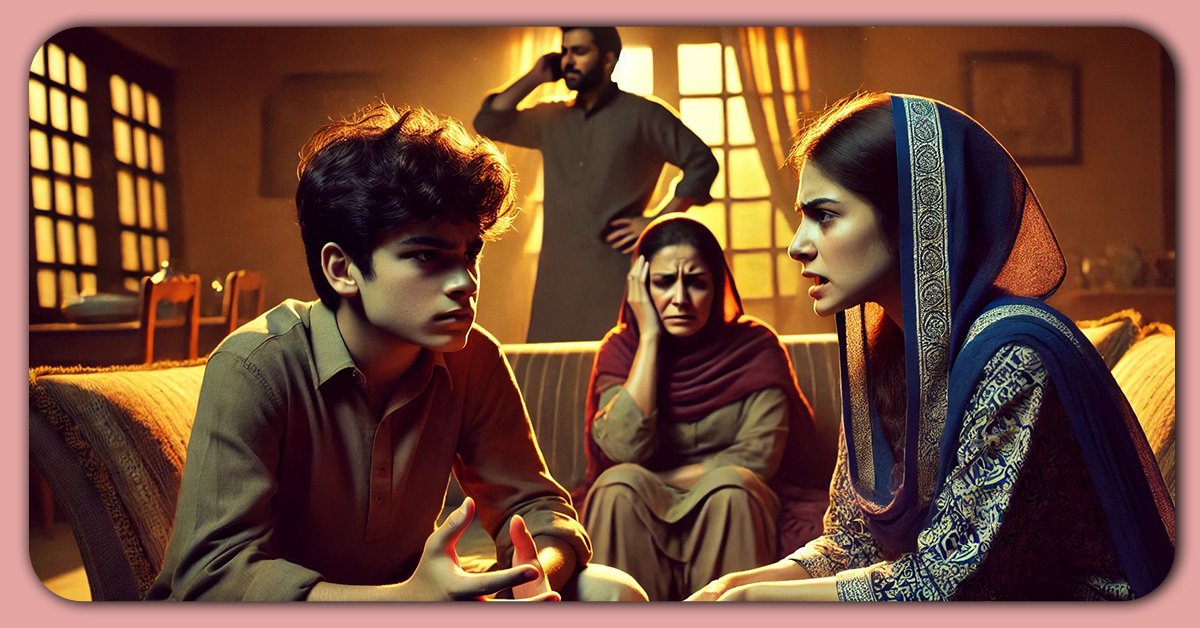
Family dynamics also play a significant role. In joint family systems, where multiple generations often live together, resources such as parental attention and financial support are limited, leading to increased competition among siblings. Birth order, perceived favoritism, and unequal treatment from parents can further amplify sibling rivalry.
While sibling rivalry is a natural part of growing up, when left unchecked, it can lead to long-term emotional and psychological consequences.
Effects of Sibling Rivalry on Mental Health
Here are some of the effects of sibling rivalry on mental health.
1. Short-Term Impacts on Emotional Well-being
Sibling rivalry can lead to immediate emotional distress. Children involved in constant conflicts may experience heightened frustration, stress, and anxiety in Pakistan. The competitive environment often results in feelings of inadequacy and low self-esteem, especially if one sibling seems to receive more attention or validation from parents.
Behavioral issues like irritability, anger, or withdrawal from family members are common responses to these emotional pressures.
2. Development of Anxiety and Depression
When sibling rivalry persists over time, it can contribute to more serious mental health issues, such as anxiety and depression in Pakistan. Constant comparisons and the feeling of being "less than" a sibling can lead to a lack of self-worth.
In some cases, children may internalize these feelings, leading to depressive symptoms that affect their overall mental health and development. The need to constantly prove oneself or live up to parental expectations can also trigger anxiety disorders.
3. Strained Family Relationships
Long-term sibling rivalry can create lasting tension between siblings, even into adulthood. The rivalry often leads to resentment and estrangement, with siblings becoming less supportive of one another.
This fractured relationship can extend beyond childhood, affecting future family interactions, including conflicts during family events or disputes over inheritance. These ongoing tensions can further compound mental health struggles for individuals who feel disconnected from their family.
4. Impact on Social and Academic Life
The emotional toll of sibling rivalry can spill over into other areas of a child’s life. Anxiety and low self-esteem resulting from family conflicts can negatively impact a child's academic performance.
Similarly, difficulties in forming healthy friendships or social relationships outside the family may arise, as the child may struggle with trust or confidence issues. These challenges can have a lasting impact on a person’s ability to navigate social situations and succeed in academic or career endeavors.
5. Long-Term Effects on Adult Mental Health
The unresolved emotional wounds from sibling rivalry often carry over into adulthood. Adults who grew up in a highly competitive sibling environment may continue to struggle with unresolved feelings of inadequacy, depression, or anxiety.
Additionally, the impact on adult sibling relationships can be profound, with family gatherings or events often marked by tension or avoidance, leading to a sense of isolation and ongoing emotional strain.
The Role of Parents and Family Dynamics
Here is how parents and family dynamics contribute.
? Favoritism: Favoring one child over another can intensify sibling rivalry and create resentment. It’s important to provide equal attention and opportunities for all children.
? Setting Expectations: High parental expectations, whether academic, career-related, or social, can fuel competition among siblings. Clear, realistic goals can help reduce pressure.
? Conflict Resolution: Parents play a crucial role in guiding children on how to resolve conflicts healthily and constructively. Modeling calm and effective communication helps siblings manage disputes.
? Joint Family Systems: In extended family settings, rivalry can escalate due to shared resources (e.g., parental attention, financial support). Strong boundaries and clear roles can help mitigate tensions.
? Birth Order: The eldest sibling may feel pressure to set an example, while younger siblings may struggle with comparisons. Understanding these dynamics can reduce conflicts related to birth order expectations.
Strategies to Mitigate Sibling Rivalry and Its Effects
While sibling rivalry is a natural occurrence, addressing it early can help reduce its negative impact on mental health.
Below are effective strategies to manage and mitigate sibling rivalry in Pakistani families.
1. Promote Fairness and Equitable Treatment
Parents should strive to treat each child with fairness, providing equal attention and support. Avoiding favoritism and addressing any signs of unequal treatment can help reduce feelings of resentment. Recognizing each child's unique strengths and achievements without comparison fosters a healthy family dynamic and nurtures self-esteem in all siblings.
2. Encourage Open Communication
Encouraging siblings to express their feelings openly can help prevent conflicts from escalating. Creating a safe environment where children feel heard and understood allows them to air grievances in a constructive manner. Family meetings or one-on-one conversations with parents can facilitate better understanding between siblings and create space for resolving issues amicably.
3. Foster Cooperation and Teamwork
Rather than fostering competition, encourage siblings to work together on tasks or family activities. Activities that require collaboration, such as joint school projects or family chores, can strengthen the sibling bond and teach the value of cooperation over rivalry. Positive reinforcement for teamwork helps build a supportive relationship among siblings, reducing conflict.
4. Set Clear Boundaries and Expectations
Establishing clear boundaries and rules can help manage sibling interactions. Parents should define acceptable behavior and intervene when conflicts arise, modeling healthy conflict resolution. Setting expectations regarding respect and kindness reinforces positive behavior and minimizes instances of rivalry or aggression between siblings.
5. Model Conflict Resolution Skills
Children learn by example, so it’s important for parents to model effective conflict resolution skills. By demonstrating calm, respectful communication and problem-solving, parents teach their children how to handle disagreements in a mature and constructive way. Providing guidance on how to resolve conflicts without escalating tension helps foster emotional intelligence in children.
6. Offer Individual Attention
Each child in a family has unique emotional needs, and giving them one-on-one time with parents can help mitigate feelings of neglect or competition. Special activities or outings with each child provide opportunities for personal connection and ensure that children feel valued as individuals, rather than just as part of a sibling group.
7. Seek Professional Help When Necessary
In cases where sibling rivalry has a lasting negative impact on mental health, seeking professional help can be beneficial. Family counseling or therapy provides a platform for discussing deeper issues, resolving long-standing conflicts, and learning healthy ways to interact. Therapy can help both parents and children address underlying emotional challenges and build stronger relationships.
Conclusion
Sibling rivalry in Pakistani families can have significant effects on mental health, leading to emotional distress, anxiety, and strained relationships. However, with the right approach such as promoting fairness, encouraging open communication, and fostering cooperation its impact can be reduced.
If sibling rivalry is affecting your mental well-being or family dynamics, seeking professional help through therapy can provide valuable guidance and support. Consider starting your journey to emotional well-being with Mon Therapy today.
Recommended reading
 Understanding Different Types of Eating Disorders: A Comprehensive Guide
25 Jul 2025
Understanding Different Types of Eating Disorders: A Comprehensive Guide
25 Jul 2025
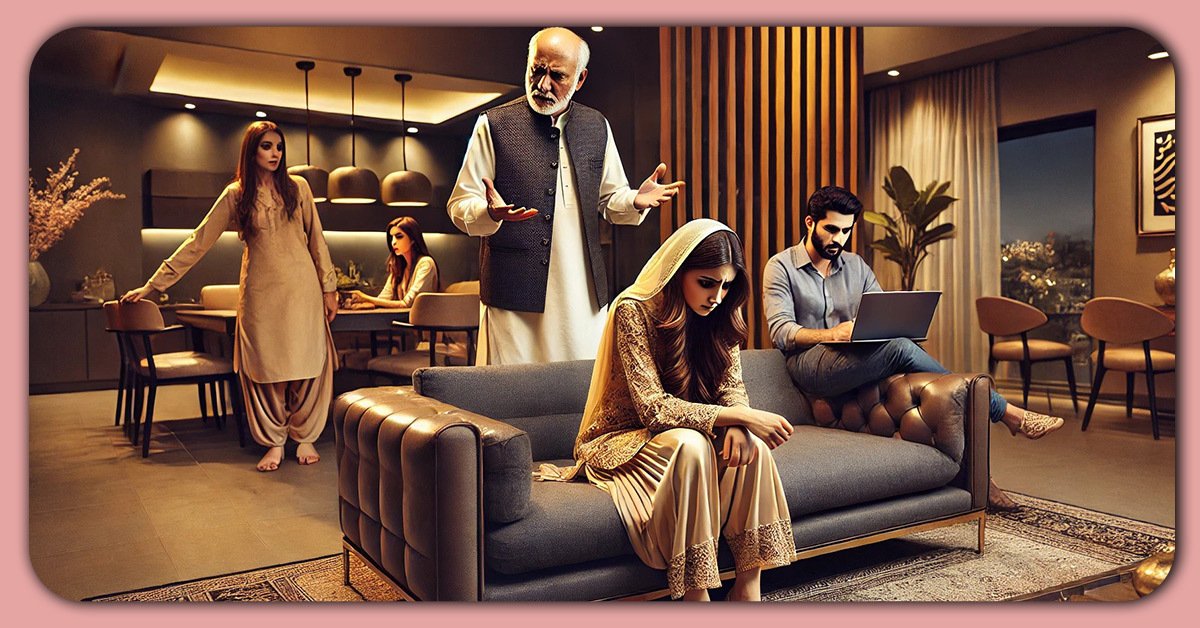 Addressing Emotional Abuse in Pakistani Households
15 Jan 2025
Addressing Emotional Abuse in Pakistani Households
15 Jan 2025
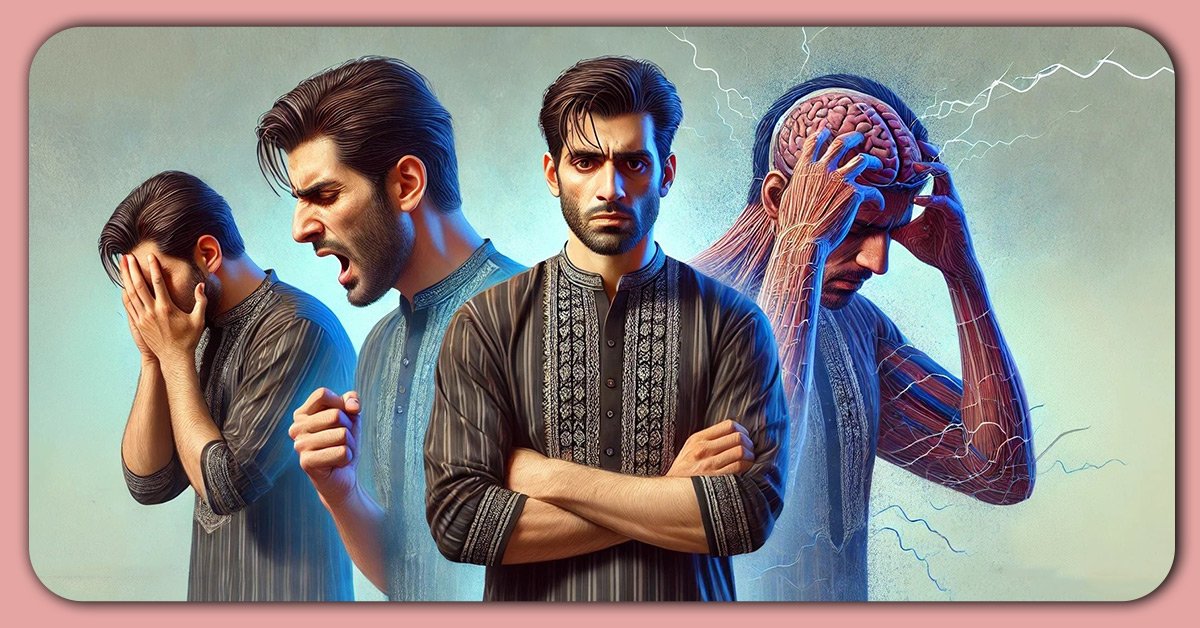 How Anxiety Affects the Body and Mind
23 Apr 2025
How Anxiety Affects the Body and Mind
23 Apr 2025
 Why Negative Body Image is Growing Among Pakistani Teens
03 Jul 2025
Why Negative Body Image is Growing Among Pakistani Teens
03 Jul 2025
Need to talk?
Sessions with a licensed psychologist, online or in person at our clinic in Bahria Town, Rawalpindi.
Book a session ↗