Parenting Challenges in Pakistan: Finding the Right Balance
Parenting is one of the most rewarding yet challenging roles in the world. In Pakistan, where nearly 40% of the population is under the age of 18, the responsibility of raising children comes with its unique set of challenges.
Balancing traditional values with the demands of a fast-evolving world is no small feat. From the expectations of extended family to the rapid rise of technology in children’s lives, parents often find themselves searching for the right approach to guide their children.
This blog explores some of the key parenting challenges in Pakistan and provides insights on how to maintain the delicate balance needed to raise well-rounded, resilient children.
Cultural Expectations vs. Modern Parenting Trends
Parenting in Pakistan is deeply influenced by cultural traditions and societal norms, yet the rapid adoption of modern lifestyles has brought new challenges and opportunities.
Striking the right balance between these two paradigms can be overwhelming but is essential for effective parenting.
1. Traditional Parenting Practices
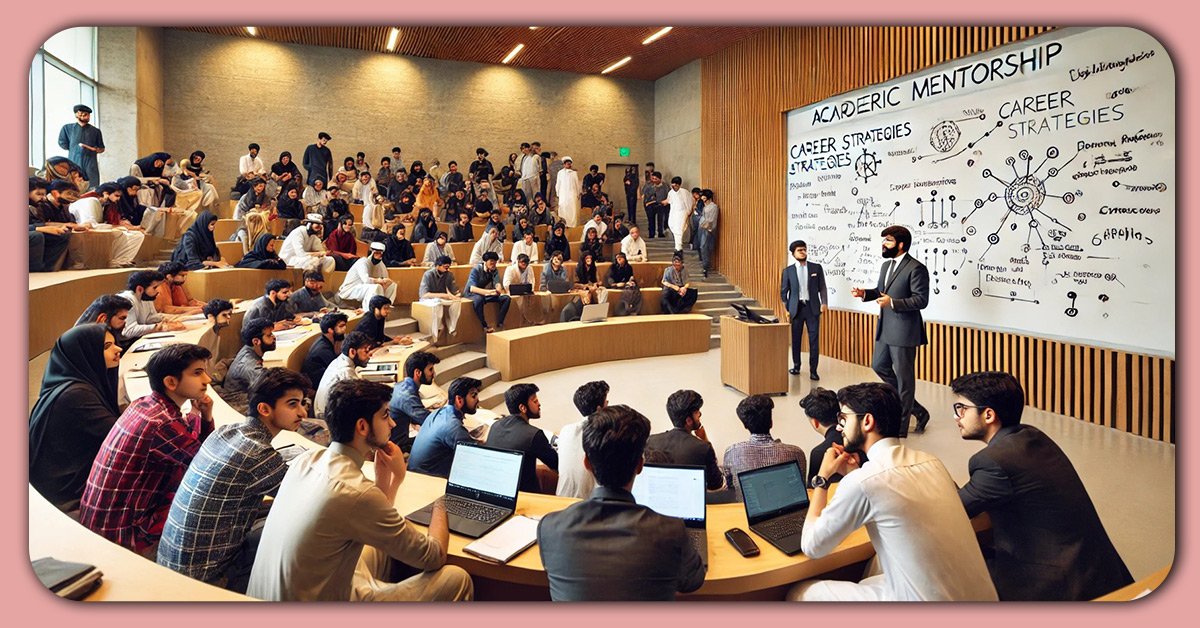
In Pakistani families, parenting is often a shared responsibility involving grandparents and extended relatives. Respect for elders, religious values, and communal living play a significant role in shaping how children are raised. These traditions provide a strong foundation of family support but can sometimes limit independent decision-making.
2. The Rise of Modern Influences
With increased access to education, technology, and global trends, modern parenting emphasizes individuality, critical thinking, and innovation. Social media, parenting blogs, and online resources introduce new methods, encouraging parents to adopt more flexible and child-centric approaches.
3. The Role of Education and Exposure
Modern parenting often values exposure to diverse ideas through extracurricular activities and international curricula. However, this can sometimes clash with traditional expectations of focusing solely on academic achievements and family obligations.
4. Blending Tradition with Modernity
Many parents in Pakistan are finding ways to integrate the best of both worlds. They embrace traditional values such as respect and empathy while incorporating modern practices like fostering open communication and encouraging self-expression in their children.
Economic Pressure and Parenting
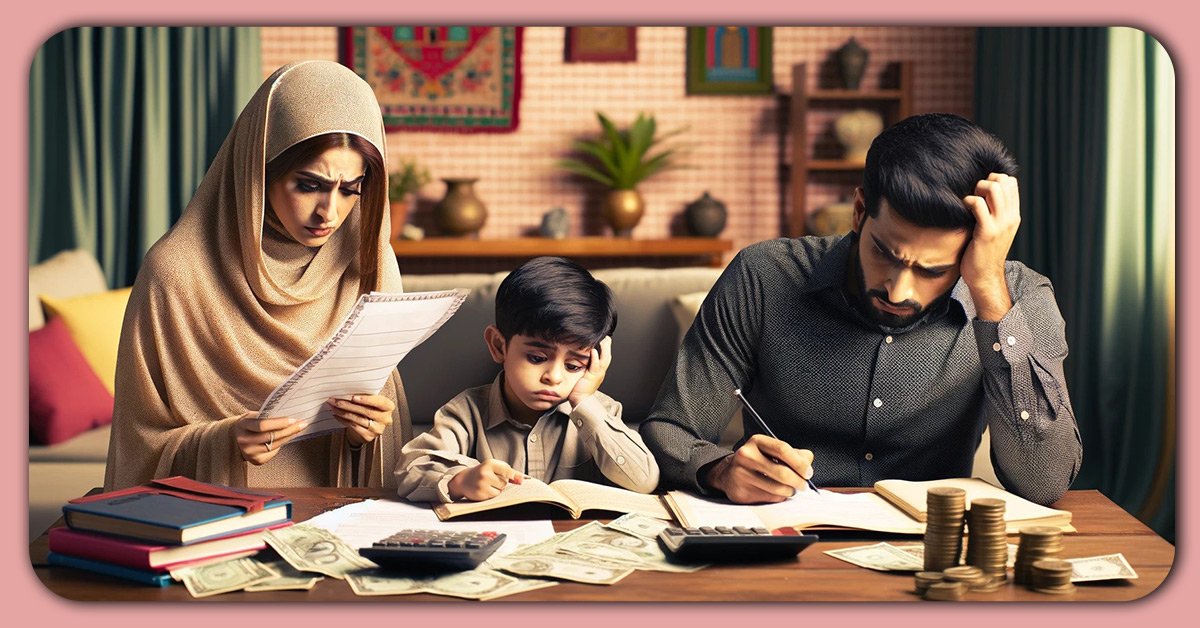
Economic challenges are a significant aspect of parenting in Pakistan, affecting decisions around education, healthcare, and overall well-being. Balancing financial responsibilities while providing a nurturing environment for children requires careful planning and adaptability.
1. Rising Cost of Living
The increasing cost of essentials such as education, housing, and healthcare places immense financial pressure on parents. Many families struggle to afford quality schooling or extracurricular activities, which are often seen as critical for a child's future success.
2. Dual-Income Families
To cope with financial demands, many families now rely on both parents working. While this increases household income, it can also lead to challenges in managing time, leaving less opportunity for parents to bond with their children.
3. Educational Expenses
Education is a top priority for most parents in Pakistan, but private schooling and tuition fees can consume a significant portion of family income. Balancing these expenses while ensuring children have access to quality learning is a constant struggle.
4. Impact on Emotional Well-Being
Economic stress often trickles down to affect children’s emotional and psychological well-being. Parents working long hours may find it difficult to provide the emotional support their children need, leading to feelings of neglect or insecurity.
5. Coping Strategies
Many parents adopt budgeting and financial planning to navigate economic pressures. Some turn to community support or extended family to share responsibilities, while others prioritize affordable education options and activities that strengthen family bonds without high costs.
The Digital Age and Parenting Challenges
The digital age has transformed parenting, introducing both opportunities and obstacles. With technology deeply embedded in daily life, parents in Pakistan face unique challenges in managing their children’s relationship with digital devices.
1. Increased Screen Time
Children today spend significant hours on smartphones, tablets, and gaming consoles, often at the expense of physical activities and face-to-face interactions. Excessive screen time can impact their health, sleep patterns, and social skills.
2. Online Safety Concerns
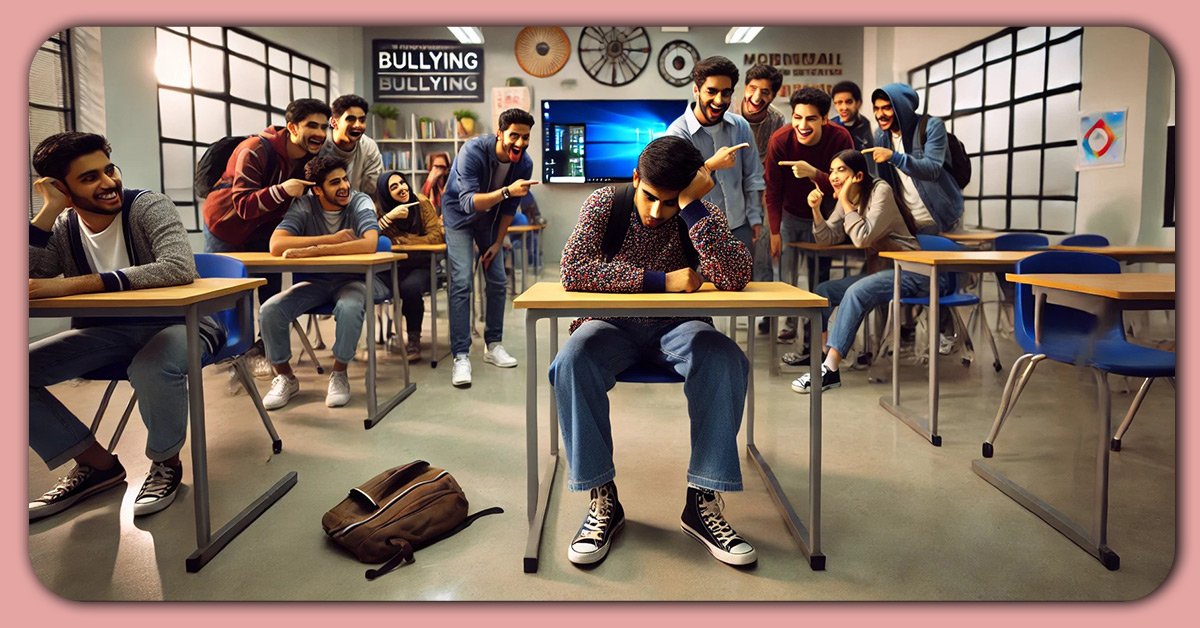
The internet exposes children to risks like cyberbullying, inappropriate content, and online predators. Parents often struggle to monitor their children’s online activities while maintaining their trust and privacy.
3. Technology Dependency
Dependence on technology for education, entertainment, and socializing can limit creativity and critical thinking. Children may rely heavily on digital tools rather than exploring offline problem-solving methods or hobbies.
4. Balancing Digital and Real-Life Activities
Parents aim to strike a balance by encouraging offline activities such as sports, reading, and family time. Setting boundaries, such as designated screen-free zones or times, helps children engage in healthier habits.
5. Parental Tech Literacy
To guide children effectively, parents need to stay updated on digital trends and tools. Learning about parental controls, safe browsing practices, and apps for educational use can empower parents to navigate the digital landscape.
Managing parenting in the digital age requires a proactive approach, combining open communication with clear boundaries to ensure children benefit from technology while minimizing its risks.
Gender Roles and Parenting Expectations
In Pakistan, traditional gender roles significantly influence parenting expectations, often dictating how responsibilities are divided between mothers and fathers. However, societal changes are gradually reshaping these norms, creating opportunities and challenges for parents.
1. Traditional Division of Roles
Historically, mothers in Pakistan are expected to handle child-rearing and household duties, while fathers focus on financial responsibilities. This division often leaves mothers with the majority of parenting tasks, limiting their personal and professional growth.
2. Changing Dynamics
With more women entering the workforce and greater awareness of shared responsibilities, the role of fathers is evolving. Fathers are now more involved in their children’s upbringing, from attending school events to helping with daily routines, promoting a more balanced approach.
3. Challenges of Breaking Stereotypes
Parents who challenge traditional roles may face societal pressure or criticism. Working mothers may be judged for spending less time at home, while involved fathers might be seen as deviating from conventional expectations.
4. Impact on Children
Children benefit significantly when both parents play active roles in their upbringing. This balance not only fosters a supportive environment but also models equality, teaching children to challenge stereotypes and value shared responsibilities.
5. Encouraging Gender Equality in Parenting
To promote equality, parents can openly communicate about sharing tasks, involve extended family for support, and educate children on the importance of mutual respect and shared responsibilities.
Finding the Right Balance
Parenting in Pakistan requires navigating a complex web of cultural values, modern influences, economic pressures, and societal expectations. Striking the right balance between these elements is essential to raise well-rounded and emotionally secure children.
1. Prioritizing Quality Time
Amid busy schedules and financial demands, spending meaningful time with children helps strengthen family bonds. Activities like shared meals, storytelling, or weekend outings foster a sense of connection and trust.
2. Blending Tradition with Modernity
Parents can embrace cultural traditions while adopting modern practices that encourage creativity and independence. For instance, teaching children about family values while supporting their hobbies or extracurricular interests creates a well-rounded upbringing.
3. Setting Realistic Expectations
Balancing high aspirations with an understanding of children’s individuality is crucial. Allowing children to pursue their interests while providing guidance helps nurture their unique talents and reduces undue pressure.
4. Developing Open Communication
Creating an environment where children feel safe to express themselves helps parents address challenges effectively. Open communication builds trust and ensures that children’s emotional and psychological needs are met.
5. Self-Care for Parents
Parents must also prioritize their well-being. Taking time to relax, seek support from family or friends, or engage in hobbies helps parents stay resilient and manage parenting responsibilities better.
Conclusion
Parenting in Pakistan comes with unique challenges, from balancing cultural expectations with modern trends to managing economic pressures and digital influences. By fostering open communication, blending tradition with innovation, and prioritizing both quality time and self-care, parents can create a supportive environment for their children to thrive.
If you’re feeling overwhelmed by parenting challenges, seeking professional guidance can make a significant difference. Mon Therapy Pakistan offers expert counseling and support to help parents navigate these complexities with confidence and disagreement in parenting in Pakistan.
Take the first step toward better parenting today!
Recommended reading
 Ways to Boost your Mood Naturally
26 Mar 2024
 The Importance of Tackling Unemployment Issues in Pakistan
18 Aug 2025
 How Sibling Rivalry Affects Mental Health in Pakistani Families
26 Aug 2025
 Eating Disorders in Teens: What Parents Need to Know
12 May 2025
Need to talk?
Sessions with a licensed psychologist, online or in person at our clinic in Bahria Town, Rawalpindi.
Book a session ↗