
Did you know that divorce rates in Pakistan have been steadily increasing over the past few years? According to reports, many of these cases cite communication problems as a significant cause.
Communication is one of the most important aspects of a successful marriage. It helps build trust, resolve conflicts, and strengthen the bond between partners. However, when communication breaks down, misunderstandings, frustrations, and resentment can grow, putting the relationship at risk.
In this blog, Mon Therapy will explore how communication problems contribute to divorce in Pakistan.
Communication is the foundation of any strong relationship, especially in marriage. It is through communication that couples express their feelings, share their dreams, and solve their problems together. But in reality, effective communication is not always easy, particularly in a society like Pakistan, where cultural norms and expectations often shape how couples interact.
In many Pakistani marriages, partners may struggle to openly share their thoughts and emotions. Sometimes, this is due to traditional gender roles, where men are expected to be stoic and women are encouraged to suppress their feelings to maintain harmony. While these expectations may come from cultural values, they can unintentionally create a distance between partners, leaving important issues unspoken.
Another common challenge is the influence of extended family dynamics. In our culture, marriage often involves not just two individuals but also their families. While this can be a source of support, it can also lead to communication gaps, especially when decisions are influenced by others instead of being jointly discussed by the couple.
It’s also worth noting that not all communication is verbal. Body language, tone of voice, and even the willingness to listen play a huge role. A lack of active listening where one partner feels unheard can make the other feel undervalued, leading to frustration and emotional withdrawal.
Effective communication is a cornerstone of a happy marriage, but many couples in Pakistan face challenges in expressing themselves clearly and understanding each other. These issues often stem from cultural norms, family dynamics, and personal habits.
Here are some common communication problems that Pakistani couples experience:
In many Pakistani marriages, partners enter the relationship with differing expectations. For instance, one partner may have a modern outlook, expecting equality and shared responsibilities, while the other may hold traditional beliefs about distinct gender roles. These misalignments can create frustration and misunderstandings if not addressed early on.
Active listening is an essential part of effective communication, but it’s often missing in marital interactions. When one partner interrupts, dismisses, or doesn’t fully engage in the conversation, the other can feel ignored or undervalued. This leads to a breakdown in understanding and trust over time.
In Pakistani society, cultural norms often discourage open emotional expression, especially for men. Men are often taught to hide their vulnerabilities, while women may hesitate to express their frustrations for fear of being labeled as overly sensitive or argumentative. This emotional suppression can prevent partners from addressing issues openly, causing feelings of isolation.
Many couples avoid discussing difficult topics to maintain peace or out of fear of escalating tensions. While this might work temporarily, unresolved issues tend to pile up, eventually leading to resentment or explosive arguments. Conflict avoidance prevents couples from finding solutions to their problems and deepening their connection.
In Pakistani marriages, family involvement is common, but it can sometimes interfere with the couple’s ability to communicate effectively. When decisions are made by extended family members or when conflicts are shared with outsiders instead of being resolved privately, it can erode trust and create tension between partners.
Even when couples address their issues, they may lack the skills to resolve conflicts constructively. Using blame, criticism, or a defensive tone can escalate disagreements rather than resolving them. This kind of communication pattern creates a cycle of negativity and dissatisfaction in the relationship.
Here are some reasons why communication issues frequently lead to divorce in Pakistan:
Cultural norms in Pakistan often emphasize specific roles for men and women in marriage. Men are expected to be decision-makers, while women are often tasked with maintaining household harmony. These roles can limit open dialogue and create an imbalance in communication. When one partner feels unheard or unable to express their needs, resentment can grow, eventually pushing the marriage toward irreparable damage.
In many Pakistani marriages, expressing emotions openly is often discouraged. Men may feel pressured to suppress vulnerability, while women might hesitate to voice concerns to avoid being labeled as difficult. This lack of emotional expression can prevent couples from addressing underlying issues, causing emotional disconnection.
In Pakistan, marriages often involve extended families, and their opinions can heavily impact the couple's relationship. Poor communication between partners can lead to disagreements being shared with family members instead of being resolved privately. This can exacerbate conflicts, erode trust, and deepen the divide between spouses.
There is limited acceptance of marriage counseling or professional mediation in Pakistan. Many couples hesitate to seek external help for communication problems due to the fear of societal judgment. Without proper guidance, these unresolved issues often escalate to the point of no return, making divorce seem like the only solution.
As societal norms evolve, especially in urban areas, many individuals now prioritize emotional well-being and compatibility in marriage. When communication problems persist, couples may feel less inclined to stay in an unhappy marriage. This shift has contributed to an increase in divorce rates, as people are less willing to tolerate unhealthy dynamics.
Without healthy communication, small disagreements can quickly escalate into major conflicts. Blame-shifting, defensive attitudes, or avoidance of issues can create a toxic environment, making reconciliation difficult. Over time, this constant negativity can lead couples to consider divorce as the only way out.
In Pakistan, cultural expectations, emotional barriers, and external pressures often make effective communication challenging, leading to misunderstandings, conflicts, and, ultimately, divorce. By addressing these issues early and fostering open, honest dialogue, couples can strengthen their relationships and build a deeper connection.
If you’re struggling with communication in your marriage, Mon Therapy Pakistan is here to help. Take the first step today, reach out to us and start your journey to a stronger, happier marriage.

Are there times when you always feel anxious or have those crawling feelings even without apparent causes? These could be more than thoughts of passing emotions; they could be the first signs of anxiety. It is one of the most prevalent mental disorders, with approximately 40 million adults. A lot of people suffer from anxiety, but it can be difficult to identify because its signs may be less apparent and even attributed to stress.In this blog, Mon Therapy will take a closer look at the most common symptoms of anxiety. Let’s get started. Common Symptoms of AnxietyThere are two types of anxiety symptoms: physical and psychological. Let’s explore them. Physical SymptomsWe usually relate anxiety with worry or fear, but it also produces physical symptoms.1. Rapid heartbeatUsually, anxiety triggers the fight or flight response and makes your heart beat faster. This is an uneasy feeling, often felt in the chest, and may even be accompanied by a rapid heartbeat in certain situations, such as stress, breathing difficulties, or chest pain /discomfort.2. SweatingSome of the most common signs of anxiety include sweating even when in air-conditioned or cold climates. It can be a social or a stressful situation where the autonomic system of the body responds to stress, and you end up sweating.3. TremblingChewing or fidgeting goes up when one has high anxiety levels or worries in one way or the other. It can be mild, such as hand tremors, or severe, where a person feels like their entire body is shaking and they cannot sit or stand calmly.4. Shortness of breathAnxiety leads to shortness of breath, and one may have quicker or shorter breaths than usual. This can trigger a feeling of an anxiety attack or worsen an existing sense of fear because it feels as if one cannot breathe enough.5. Nausea or upset stomachIt has been scientifically proven that the gastrointestinal tract is related to emotions, and this is why anxiety can lead to digestive problems. Stomach discomfort or intestinal bloating may become apparent when you are pressured or when other controlling feelings persist.6. FatigueHaving anxiety is not fun; it really tires one out. Stress and anxiety, in particular, cause the exhaustion of the spirit, and a person can feel tired without having any physical work. It’s a vicious cycle: one causes fatigue, and fatigue can hinder one’s ability to cope with anxiety.7. Muscle tensionMuscle tension is among the consequences of anxiety issues, and you may not even know your muscles are tense at times. This tension may show up as a stiff neck, back, or shoulders. Persistent anxiety also causes the muscles to remain contracted, which may cause the sensation of discomfort or pain.8. Difficulty sleepingStress, nervousness, and anxiety are conditions that can make it difficult to fall asleep or to remain asleep. Anxiety, overactive brain, or fear are some of the signs that may prevent you from sleeping at night, resulting in insomnia. In the long run, anxiety and its symptoms are likely to be made worse by poor sleep.Psychological SymptomsJust like physical symptoms, psychological symptoms are also necessary to understand to know more about anxiety. 1. Excessive worryUnreasonable tension with respect to some conditions of the daily routine, which cannot be explained by reason, is also a characteristic of anxiety. This worrying is constant and hard to manage, often taking up most of your time and attention, leaving little room for anything else.2. RestlessnessThe other psychological sign of anxiety is restlessness; it is a feeling that comes with a tendency to be uncomfortable, although such discomfort may not be well defined. It may be challenging to relax, to sit idle, or to wait around without having something to do.3. Difficulty concentratingWhen you are anxious or fearful, it becomes difficult to concentrate on the tasks at hand. Distraction is a common concern for people having anxiety, as their thoughts may race, or they may have something in mind that takes away their focus.4. IrritabilitySufferers of anxiety consequently end up being irritable. As people feel anxious or stressed, every little inconvenience or disturbance seems overwhelming, contributing to irritability and temper tantrums. This irritability may be a direct result of feeling mentally drained or overwhelmed by anxious thoughts.5. Fear of losing controlIn many cases, anxiety is associated with the experience of the loss of control concerning certain circumstances or even feelings. This fear can be related to things like being overwhelmed, crying in public, being laughed at, or not being able to handle tasks, which then makes the person think and act even more anxiously. Both body and mind are affected by anxiety.6. Avoidance of situationsCoping with anxiety and stress in Pakistan reaches another level when it comes to avoidance or escaping from a situation or an object causing anxiety. It is common for people with anxiety disorders to start avoiding places and situations that cause their symptoms. Be it parties, business encounters, or even movement outside the house, isolation just worsens the issue, which should be tackled and dealt with as time goes on.When to Seek Professional HelpSome level of anxiety is considered normal and natural. Still, if one has a constant worry that is disruptive to their everyday life, the services of a healthcare professional may be needed. It is time to seek help if your anxiety is overwhelming, interferes with important activities, or triggers panic attacks.There are different types of anxiety disorders, and a qualified mental health professional can help diagnose these and recommend the right treatment plans to help you deal with these issues.Coping Strategies for AnxietyHere’s how you can cope with anxiety with some of the effective strategies. There are different anxiety therapy options in Pakistan.1. Regular exerciseAerobic activity is known to counteract anxiety since it has an impact on the hormone endorphin, thus stabilizing the mood and diminishing stress.2. Balanced dietHaving a healthy diet can also help regulate the sugar level, which in turn reduces anxiety symptoms, especially when it comes to the brain.3. Adequate sleepThe quantity and quality of sleep that a person receives are crucial to their psychological well-being. Lack of sleep contributes to anxiety. Therefore, it is important to aim to maintain a proper sleep schedule.4. MeditationMindfulness or meditation can soothe your mind, slow down racing thoughts, and keep you in the moment.5. YogaYoga involves various gestures, including stretching and deep breathing, which aids in creating a general state of relaxation and diminishing anxiety. Conclusion It is essential to know some ways in which anxiety manifests itself, as this aspect is overlooked in most patients. What matters is these signs, whether they are physical or psychological. One should pay attention to these signs and then start taking action towards improving their mental health. The importance of understanding is that anxiety is not beyond control, and one can find a perfect strategy or support system to handle it.If you have anxiety issues in Pakistan and require the services of a therapist, Mon Therapy can help you find a specialist to get you the assistance you need. Start your journey towards getting back your mental serenity; call for a session with Mon Therapy now.
See more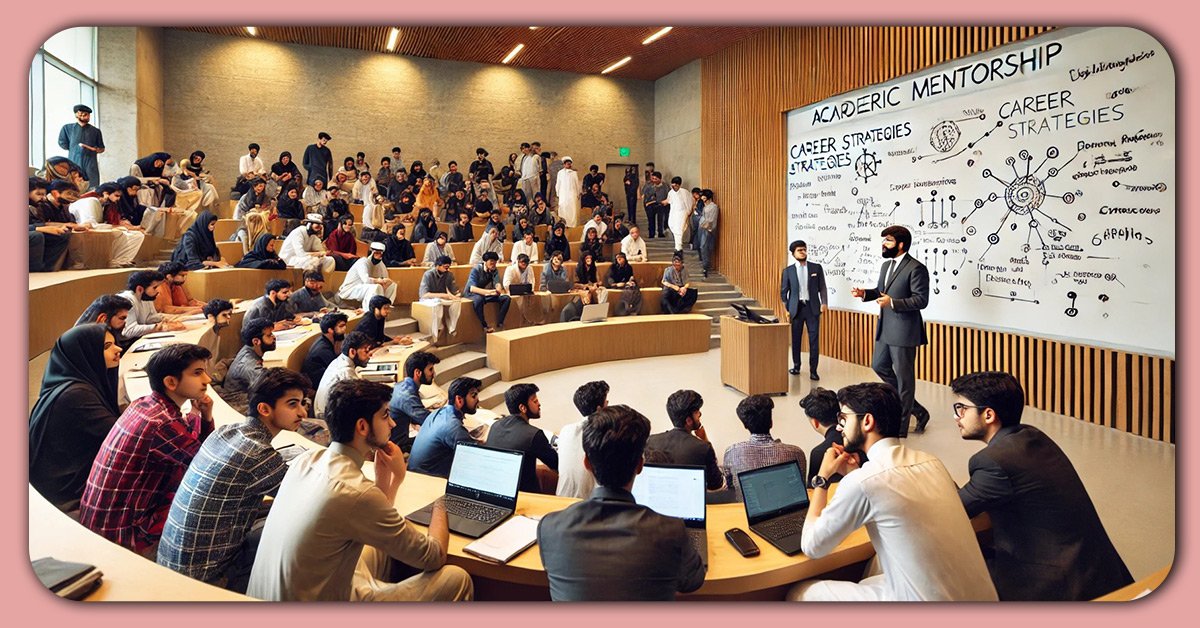
Did you know that 96% of individuals who have mentors find the experience highly beneficial?In Pakistan, many students and professionals struggle to find the right direction in their careers due to limited guidance and resources. This is where mentorship makes a real difference. A mentor’s support can help bridge the gap between education and real-world challenges, offering valuable insights, skills, and encouragement. In this blog, Mon Therapy will explore the role of mentorship in shaping the future. Let’s dive in. Mentorship: What It Means & Why It MattersMentorship is a relationship in which an experienced person provides guidance, support, and advice to someone less experienced. The mentor shares their knowledge, offers feedback, and helps the mentee navigate challenges. Unlike formal education, which focuses on structured learning, mentorship is more personalized and tailored to an individual’s needs and goals. Mentorship is important because it can significantly impact personal and professional growth. It helps build confidence, develop new skills, and make informed decisions. With the right mentor, individuals can avoid common pitfalls, expand their networks, and gain insights that can lead to greater success.The Impact of Mentorship on Youth Development in PakistanMentorship plays a crucial role in the development of young people in Pakistan, offering them the guidance and support they need to grow personally and professionally. Let's explore how mentorship impacts the youth in Pakistan.1. Career Guidance and ClarityFor many young people in Pakistan, deciding on a career path can be overwhelming. Mentors, especially those with experience in various fields, provide valuable advice and insights. They help youth understand different career options, what each involves, and how to prepare for them. This guidance can reduce confusion and provide a sense of direction, enabling them to make informed choices about their future.2. Skill Development and Confidence BuildingMentorship offers an opportunity for youth to acquire new skills, both technical and interpersonal. Mentors share their knowledge and experiences, helping young people develop the skills needed to succeed in the workplace or in business. Additionally, through regular interactions and support, mentors help boost the mentee’s confidence. This encouragement empowers youth to take on challenges they might have otherwise avoided.3. Building Strong Professional NetworksOne of the biggest benefits of having a mentor is the access to their professional network. Mentors often introduce their mentees to industry contacts, opening doors for job opportunities, internships, and collaborations to overcome financial stress in Pakistan. These connections can be especially valuable for youth in Pakistan, where job opportunities may be limited, and networking can play a significant role in career advancement.4. Encouraging Entrepreneurial MindsetMentorship is also vital for fostering an entrepreneurial mindset among the youth. With the rise of startups and the growing support for entrepreneurship in Pakistan, young people can greatly benefit from the guidance of experienced mentors. These mentors can teach them about the challenges of starting a business, offer advice on problem-solving, and encourage them to take calculated risks, helping to drive innovation and entrepreneurship across the country.5. Empowering Vulnerable YouthIn Pakistan, many young people face societal and economic barriers, such as poverty or lack of educational resources. Mentorship can be a lifeline for these individuals, providing not just career guidance but emotional and moral support. A mentor can help vulnerable youth build resilience, navigate personal challenges, and stay motivated to pursue their goals, despite the obstacles they may face. Mentorship in Professional Growth: Building Stronger CareersMentorship plays a vital role in professional growth by helping individuals develop the skills, knowledge, and confidence they need to advance in their careers. For many professionals, having a mentor offers guidance in navigating workplace challenges, making strategic decisions, and building essential skills that are not always taught in formal education. A mentor with experience can provide valuable insights into industry trends, help with career planning, and suggest ways to improve performance. Through their advice and feedback, mentors help mentees identify their strengths and areas for improvement, which can lead to better job performance, increased job satisfaction, and long-term career success. Women and Mentorship: Bridging the Gender GapWomen in Pakistan face unique challenges in their professional journeys, including gender biases, limited access to opportunities, and cultural barriers. Mentorship plays a critical role in addressing these obstacles by providing women with the support and guidance they need to succeed. Female mentors, in particular, serve as powerful role models, showing women that it’s possible to excel in various fields, from business to politics. Through mentorship, women gain the confidence to pursue leadership roles, negotiate better opportunities, and break through the glass ceiling. Mentors also offer invaluable advice on navigating workplace dynamics, managing work-life balance, and overcoming gender-specific challenges. Entrepreneurship and Mentorship: Fostering InnovationEntrepreneurship and mentorship go hand in hand in fostering innovation, especially in a country like Pakistan, where the startup ecosystem is growing rapidly. Mentors with entrepreneurial experience can offer invaluable advice to aspiring entrepreneurs, guiding them through the complexities of starting and running a business. From developing a solid business plan to managing financial resources and scaling up operations, mentors provide insights that help avoid common pitfalls. Their guidance also nurtures an innovative mindset, encouraging entrepreneurs to think outside the box, explore new solutions, and adapt to changing market conditions. Mentors can introduce young entrepreneurs to potential investors, partners, and customers, broadening their network and opening doors for collaboration.The Role of Digital Mentorship in PakistanDigital mentorship is transforming how people in Pakistan access guidance and support. With the rise of technology, mentors no longer need to be in the same location as their mentees. Online platforms, social media, and video calls have made it possible for individuals to connect with mentors from all over the world, breaking down geographical barriers. This is especially important in Pakistan, where rural areas may have limited access to industry experts or professional networks. Through digital mentorship, young people and professionals can seek advice, learn new skills, and build their careers from anywhere. Digital tools also make it easier to maintain regular communication, track progress, and access resources such as webinars, online courses, and articles. For women, in particular, digital mentorship offers a safe and flexible space to seek guidance without the traditional limitations. As the digital landscape grows, so does the opportunity for mentorship, giving more people in Pakistan the chance to benefit from the knowledge and experience of others, no matter where they are.How to Find the Right Mentor in PakistanHere’s how you can do that. 1. Identify Your Goals and Needs? Clarify what you want to achieve from the mentorship (e.g., career growth, skill development, entrepreneurship).? Understand the areas where you need guidance (e.g., leadership, networking, technical skills).2. Look for Experienced Professionals? Seek mentors who have experience in your field or area of interest.? Look for individuals who have achieved the kind of success you aspire to.? Check if the mentor’s expertise aligns with your specific needs.3. Use Networking Platforms? Join professional networks like LinkedIn to connect with potential mentors.? Participate in online forums and groups relevant to your field or industry.? Attend webinars, seminars, and conferences where experienced professionals are present.4. Reach Out to Local Mentorship Programs? Research mentorship programs offered by universities, organizations, or government initiatives.? Join community-based programs or industry-specific mentorship initiatives that match your career path.5. Seek Recommendations from Peers or Colleagues? Ask friends, family, or colleagues for referrals to potential mentors.? Look for mentors who have been recommended by multiple sources for their guidance and expertise.6. Evaluate the Mentor’s Communication Style? Make sure the mentor is approachable, a good listener, and able to communicate effectively.? Ensure the mentor is willing to invest time and effort into your growth.7. Start with Informal Interactions? Begin by engaging with potential mentors through casual conversations or discussions.? Build rapport and understand their approach to mentoring before committing to a formal relationship.8. Consider Online Mentorship Opportunities? Explore digital platforms that offer virtual mentorship, which can connect you with mentors globally.? Look for platforms that provide structured mentorship programs, offering you direct access to experts in various fields.9. Be Open to Feedback and Adaptability? Choose a mentor who provides constructive criticism and is open to your ideas.? Look for someone who is adaptable and willing to mentor you based on your learning style and needs.10. Make Sure the Mentor Aligns with Your Values? Ensure that the mentor shares similar values, ethics, and approaches to success.? Choose a mentor who understands and respects your cultural, professional, and personal values.ConclusionMentorship plays a crucial role in shaping the future of individuals in Pakistan by providing guidance, support, and the opportunity to grow both personally and professionally. By connecting with the right mentors, individuals can overcome challenges, build confidence, and reach their full potential. Whether it's career guidance, skill development, or networking, mentorship can make a lasting impact on one's future. If you're looking for further support and growth in your journey, consider connecting with Mon Therapy for personalized mentorship and guidance to help you thrive in every aspect of life.
See more
Every day, countless children in Pakistan walk into school with a sense of dread rather than excitement. Why? Because for them, school isn’t just a place to learn; it’s a battlefield where they face bullying that chips away at their confidence and mental well-being.In Pakistan, where conversations about mental health are still finding their footing, the impact of bullying often goes unnoticed and unaddressed. This blog explores how bullying affects the mental health of students in Pakistan, why it happens, and what can be done to create safer and healthier learning environments.Understanding Bullying in PakistanBullying isn’t just “kids being kids.” It’s a behavior that stems from deeper issues within individuals and society. In Pakistan, bullying takes many forms: name-calling, mocking appearances, spreading rumors, physical violence, and, increasingly, cyberbullying. These actions, whether subtle or outright aggressive, leave lasting effects on those who endure them.The environment in many schools across Pakistan can often be competitive and judgmental, which fuels this behavior. Children are teased for everything from the way they speak to the clothes they wear or the grades they achieve. For many, school becomes a place of fear rather than learning, where the need to fit in or escape ridicule overshadows their desire to grow and thrive.What makes the situation even more challenging is the cultural tendency to dismiss bullying as harmless or “just part of growing up.” Adults may brush it off, telling children to toughen up or fight back, unintentionally neglecting the emotional toll it takes on the victims. This lack of acknowledgment creates a silence around the issue, allowing it to persist and escalate.Mental Health Consequences for VictimsThe emotional wounds caused by bullying often cut deeper than the visible scars. Victims of bullying in Pakistan face a range of mental health challenges that can affect their confidence, relationships, and overall quality of life.1. Anxiety and DepressionBullying creates a constant state of fear and unease, leaving victims struggling with anxiety in Pakistan. Over time, this stress can develop into depression, leading to feelings of hopelessness and isolation.2. Low Self-EsteemVictims often internalize the harsh words and actions of bullies, believing the negative labels placed upon them. This shatters their self-worth and confidence, affecting their ability to excel academically or socially.3. Social WithdrawalMany victims withdraw from their peers to avoid further bullying. This isolation not only affects their friendships but also limits their ability to develop healthy social skills.4. Academic DeclineThe stress and distraction caused by bullying often lead to poor focus and decreased academic performance. Skipping classes to avoid bullies further hampers their educational progress.5. Long-Term Emotional TraumaThe effects of bullying don’t stop once the bullying ends. Many victims carry emotional scars into adulthood, which may manifest as trust issues, difficulty forming relationships, or unresolved feelings of anger and sadness.Factors Contributing to Bullying in Pakistani SchoolsIn Pakistani schools, several factors contribute to this harmful behavior, creating an environment where bullying thrives.1. Cultural Norms and Societal PressuresIn a society where competition and rigid hierarchies often dominate, bullying can stem from a need to assert dominance or cope with personal insecurities. Children are sometimes taught to prioritize power and control, making them more likely to engage in or tolerate bullying behavior.2. Lack of Awareness About Mental HealthThe stigma surrounding mental health in Pakistan means that many parents, teachers, and students fail to understand the emotional damage caused by bullying. This lack of awareness often leads to dismissive attitudes, with bullying being trivialized as harmless teasing or a normal part of growing up.3. Inadequate School Policies and EnforcementMany schools lack clear anti-bullying policies or fail to enforce the ones they have. Teachers and administrators may not be trained to identify and address bullying, which allows incidents to go unreported and unresolved.4. Socioeconomic and Ethnic DividesPakistan’s diverse population often sees children from different socioeconomic and ethnic backgrounds studying together. Unfortunately, these differences can lead to prejudice, stereotyping, and bullying, with students targeting peers who appear “different” or less privileged.5. Peer Pressure and Group DynamicsThe desire to fit in or gain approval from peers can push students to engage in bullying behavior. This is especially common in group settings, where individuals may bully others to avoid becoming targets themselves.6. Emergence of CyberbullyingWith increasing access to technology, cyberbullying has become a significant issue. Social media platforms provide a space where students can bully others anonymously, amplifying the harm and making it harder for schools and parents to intervene.Strategies to Mitigate Bullying and Support Mental HealthAddressing bullying and its impact on mental health requires proactive measures at multiple levels. Schools, parents, and communities must work together to create a safe and nurturing environment for children. Here are some effective strategies:1. Implement Comprehensive Anti-Bullying PoliciesSchools must establish clear anti-bullying policies that outline consequences for bullying behavior. These policies should be enforced consistently to ensure students understand the seriousness of their actions.2. Educate Students and Teachers on BullyingConduct workshops and training sessions to educate students, teachers, and staff about the effects of bullying and the importance of empathy. Awareness campaigns can help foster a culture of kindness and respect in schools.3. Promote Mental Health EducationIntroduce mental health education as part of the school curriculum to help students understand their emotions and cope with challenges. This can also encourage victims to seek help without fear of judgment.4. Establish Support Systems in SchoolsSet up counseling services and peer support groups to provide a safe space for students to share their experiences and seek guidance. Counselors trained in dealing with bullying can play a pivotal role in helping victims heal.5. Encourage Open CommunicationParents and teachers should create an environment where children feel comfortable discussing their problems. Regular parent-teacher meetings and open dialogue with students can help identify bullying incidents early.6. Teach Conflict Resolution and Emotional SkillsIncorporate activities that teach students how to resolve conflicts peacefully, manage anger, and develop emotional intelligence. These skills can reduce aggressive behaviors and improve peer interactions.7. Leverage Technology ResponsiblyEducate students on the responsible use of social media to prevent cyberbullying. Schools can also monitor online interactions within their systems to identify and address harmful behavior promptly.8. Celebrate Diversity and InclusionEncourage respect for different cultures, languages, and socioeconomic backgrounds through classroom discussions, projects, and events. Promoting inclusivity can help break down barriers that often lead to bullying.9. Engage Parents in Anti-Bullying EffortsParents play a crucial role in addressing bullying. Schools can organize workshops for parents to help them recognize the signs of bullying, support their children, and work with schools to find solutions.10. Empower Bystanders to Take ActionTeach students to stand up against bullying when they witness it. Bystanders who intervene can deter bullying behavior and support victims, fostering a sense of accountability among peers.ConclusionBullying in schools is a serious issue in Pakistan, leaving lasting scars on the mental health of countless students. Addressing this problem requires collective efforts to foster empathy, enforce anti-bullying policies, and prioritize mental health support for victims.If you or someone you know is struggling with the effects of bullying, don’t hesitate to seek help. Mon Therapy offers compassionate, professional mental health support tailored to your needs.
See more
Sibling rivalry is a common phenomenon in families worldwide, but in Pakistan, it can have far-reaching psychological consequences. Research suggests that around 80% of children experience sibling rivalry, with many conflicts going beyond simple disagreements. In Pakistani households, where family bonds and social expectations are deeply ingrained, the effects of sibling rivalry often remain unaddressed, leading to significant emotional strain. In this blog, Mon Therapy will explore the psychological effects of sibling rivalry. Let’s get started. Understanding Sibling Rivalry in Pakistani FamiliesSibling rivalry in Pakistani families often arises from a combination of cultural, familial, and societal factors. In many cases, these conflicts are exacerbated by the expectations placed on children to excel in academics, careers, and social roles.Cultural traditions, such as the importance of maintaining family honor and fulfilling gender-specific roles, contribute to competition between siblings. Sons may face pressure to succeed professionally, while daughters are often expected to adhere to societal norms regarding marriage and family life in Pakistan. Family dynamics also play a significant role. In joint family systems, where multiple generations often live together, resources such as parental attention and financial support are limited, leading to increased competition among siblings. Birth order, perceived favoritism, and unequal treatment from parents can further amplify sibling rivalry.While sibling rivalry is a natural part of growing up, when left unchecked, it can lead to long-term emotional and psychological consequences.Effects of Sibling Rivalry on Mental HealthHere are some of the effects of sibling rivalry on mental health. 1. Short-Term Impacts on Emotional Well-beingSibling rivalry can lead to immediate emotional distress. Children involved in constant conflicts may experience heightened frustration, stress, and anxiety in Pakistan. The competitive environment often results in feelings of inadequacy and low self-esteem, especially if one sibling seems to receive more attention or validation from parents. Behavioral issues like irritability, anger, or withdrawal from family members are common responses to these emotional pressures.2. Development of Anxiety and DepressionWhen sibling rivalry persists over time, it can contribute to more serious mental health issues, such as anxiety and depression in Pakistan. Constant comparisons and the feeling of being "less than" a sibling can lead to a lack of self-worth. In some cases, children may internalize these feelings, leading to depressive symptoms that affect their overall mental health and development. The need to constantly prove oneself or live up to parental expectations can also trigger anxiety disorders.3. Strained Family RelationshipsLong-term sibling rivalry can create lasting tension between siblings, even into adulthood. The rivalry often leads to resentment and estrangement, with siblings becoming less supportive of one another. This fractured relationship can extend beyond childhood, affecting future family interactions, including conflicts during family events or disputes over inheritance. These ongoing tensions can further compound mental health struggles for individuals who feel disconnected from their family.4. Impact on Social and Academic LifeThe emotional toll of sibling rivalry can spill over into other areas of a child’s life. Anxiety and low self-esteem resulting from family conflicts can negatively impact a child's academic performance. Similarly, difficulties in forming healthy friendships or social relationships outside the family may arise, as the child may struggle with trust or confidence issues. These challenges can have a lasting impact on a person’s ability to navigate social situations and succeed in academic or career endeavors.5. Long-Term Effects on Adult Mental HealthThe unresolved emotional wounds from sibling rivalry often carry over into adulthood. Adults who grew up in a highly competitive sibling environment may continue to struggle with unresolved feelings of inadequacy, depression, or anxiety. Additionally, the impact on adult sibling relationships can be profound, with family gatherings or events often marked by tension or avoidance, leading to a sense of isolation and ongoing emotional strain.The Role of Parents and Family DynamicsHere is how parents and family dynamics contribute.? Favoritism: Favoring one child over another can intensify sibling rivalry and create resentment. It’s important to provide equal attention and opportunities for all children.? Setting Expectations: High parental expectations, whether academic, career-related, or social, can fuel competition among siblings. Clear, realistic goals can help reduce pressure.? Conflict Resolution: Parents play a crucial role in guiding children on how to resolve conflicts healthily and constructively. Modeling calm and effective communication helps siblings manage disputes.? Joint Family Systems: In extended family settings, rivalry can escalate due to shared resources (e.g., parental attention, financial support). Strong boundaries and clear roles can help mitigate tensions.? Birth Order: The eldest sibling may feel pressure to set an example, while younger siblings may struggle with comparisons. Understanding these dynamics can reduce conflicts related to birth order expectations.Strategies to Mitigate Sibling Rivalry and Its EffectsWhile sibling rivalry is a natural occurrence, addressing it early can help reduce its negative impact on mental health. Below are effective strategies to manage and mitigate sibling rivalry in Pakistani families.1. Promote Fairness and Equitable TreatmentParents should strive to treat each child with fairness, providing equal attention and support. Avoiding favoritism and addressing any signs of unequal treatment can help reduce feelings of resentment. Recognizing each child's unique strengths and achievements without comparison fosters a healthy family dynamic and nurtures self-esteem in all siblings.2. Encourage Open CommunicationEncouraging siblings to express their feelings openly can help prevent conflicts from escalating. Creating a safe environment where children feel heard and understood allows them to air grievances in a constructive manner. Family meetings or one-on-one conversations with parents can facilitate better understanding between siblings and create space for resolving issues amicably.3. Foster Cooperation and TeamworkRather than fostering competition, encourage siblings to work together on tasks or family activities. Activities that require collaboration, such as joint school projects or family chores, can strengthen the sibling bond and teach the value of cooperation over rivalry. Positive reinforcement for teamwork helps build a supportive relationship among siblings, reducing conflict.4. Set Clear Boundaries and ExpectationsEstablishing clear boundaries and rules can help manage sibling interactions. Parents should define acceptable behavior and intervene when conflicts arise, modeling healthy conflict resolution. Setting expectations regarding respect and kindness reinforces positive behavior and minimizes instances of rivalry or aggression between siblings.5. Model Conflict Resolution SkillsChildren learn by example, so it’s important for parents to model effective conflict resolution skills. By demonstrating calm, respectful communication and problem-solving, parents teach their children how to handle disagreements in a mature and constructive way. Providing guidance on how to resolve conflicts without escalating tension helps foster emotional intelligence in children.6. Offer Individual AttentionEach child in a family has unique emotional needs, and giving them one-on-one time with parents can help mitigate feelings of neglect or competition. Special activities or outings with each child provide opportunities for personal connection and ensure that children feel valued as individuals, rather than just as part of a sibling group.7. Seek Professional Help When NecessaryIn cases where sibling rivalry has a lasting negative impact on mental health, seeking professional help can be beneficial. Family counseling or therapy provides a platform for discussing deeper issues, resolving long-standing conflicts, and learning healthy ways to interact. Therapy can help both parents and children address underlying emotional challenges and build stronger relationships.Conclusion Sibling rivalry in Pakistani families can have significant effects on mental health, leading to emotional distress, anxiety, and strained relationships. However, with the right approach such as promoting fairness, encouraging open communication, and fostering cooperation its impact can be reduced.If sibling rivalry is affecting your mental well-being or family dynamics, seeking professional help through therapy can provide valuable guidance and support. Consider starting your journey to emotional well-being with Mon Therapy today.
See moreAre you ready to overcome the barriers holding you back?
Start your transformation today. Manage your Mental health with Our licensed therapists.




.jpg)

