What Are Personality Disorders and Their Daily Impact?
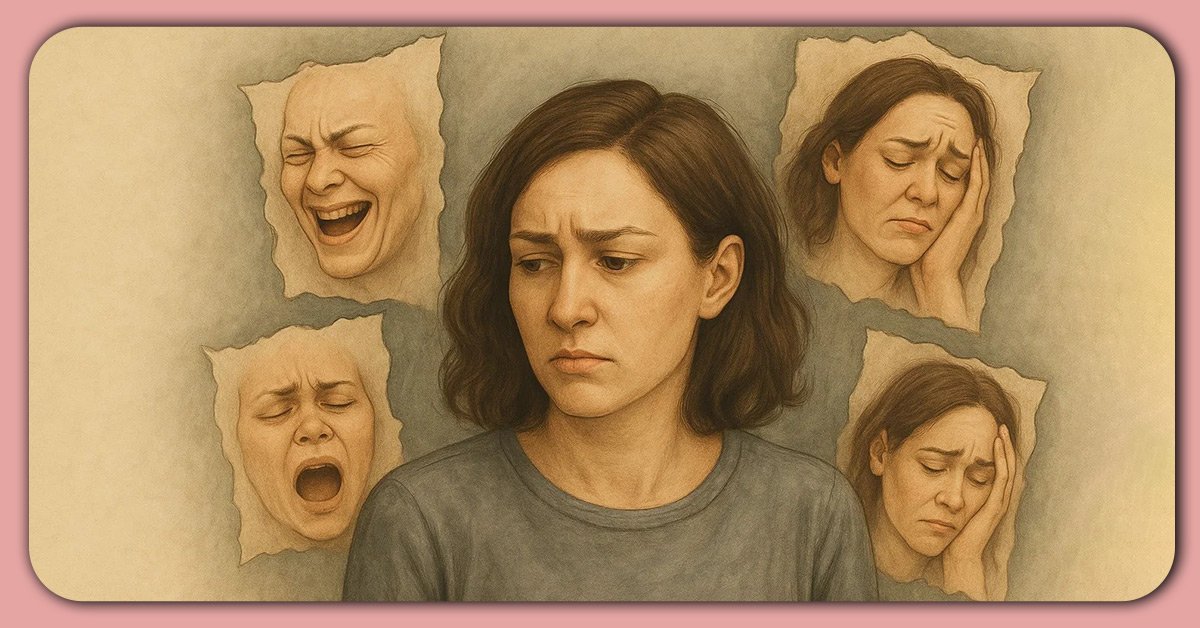
Personality disorders are mental health conditions that affect a person’s thinking, emotional regulation, and behavior. These disorders involve persistent patterns of behavior and thought that deviate from societal expectations. These patterns often lead to difficulties in personal relationships, work life, and overall functioning.
In this blog, Mon Therapy helps you understand personality disorder symptoms are crucial not only for those affected but also for their families, friends, and communities to foster empathy and support.
Types of Personality Disorders
Personality disorders are generally categorized into three clusters based on similar characteristics. These clusters are: A, B, and C. Let’s explore them:
Cluster A (Odd or Eccentric Disorders)
Paranoid Personality Disorder: Individuals with this disorder often mistrust others, believing that people are out to harm or deceive them, even when there’s no evidence to support these feelings.
Schizoid Personality Disorder: This disorder is marked by a lack of interest in forming relationships. People with schizoid personality disorder may seem detached, preferring solitary activities and often appearing emotionally cold.
Schizotypal Personality Disorder: Those with this disorder often engage in eccentric or odd behaviors, such as unusual beliefs, and may have difficulty maintaining close relationships due to intense social anxiety.
Cluster B (Dramatic, Emotional, or Erratic Disorders)
Antisocial Personality Disorder: Individuals with this disorder show a blatant disregard for others' rights, often engaging in deceitful or criminal behaviors.
Borderline Personality Disorder (BPD): BPD is characterized by intense mood swings, fear of abandonment, and unstable relationships. Those with BPD often experience extreme emotional reactions and have difficulty controlling impulses.
Histrionic Personality Disorder: People with this disorder may seek constant attention and approval from others, often displaying dramatic or exaggerated behaviors to gain attention.
Narcissistic Personality Disorder: This disorder is marked by a sense of superiority, a need for excessive admiration, and a lack of empathy for others. People with narcissistic personality disorder may manipulate or belittle others to maintain their sense of importance.
Cluster C (Anxious or Fearful Disorders)
Avoidant Personality Disorder: Individuals with this disorder avoid social situations due to intense feelings of inadequacy and fear of being judged negatively.
Dependent Personality Disorder: Those with this disorder exhibit a strong need to be cared for, often feeling helpless when alone and excessively dependent on others for decision-making.
Obsessive-Compulsive Personality Disorder (OCPD): Not to be confused with obsessive-compulsive disorder (OCD), OCPD involves a preoccupation with order, perfectionism, and control that can interfere with daily functioning.
Causes and Risk Factors
The impact of personality disorders is multifaceted. Let’s have a look at the causes:
Genetic Influences
Family history plays a significant role in the development of personality disorders. Some research suggests that genetics may make individuals more vulnerable to developing certain traits associated with these disorders.
Environmental Factors
Trauma, childhood abuse, or neglect can be significant contributors to the development of personality disorders. People who face such traumatic experiences may develop maladaptive coping strategies, leading to patterns of thinking and behaving that later become ingrained.
Neurological Factors
Research suggests that abnormalities in the brain’s functioning and structure, particularly the areas involved in regulating emotions and behavior, may play a role in personality disorders.
Cultural and Societal Influences
Societal norms and cultural influences shape how individuals view themselves and others. For example, growing up in a culture that emphasizes emotional suppression or rigid gender roles may contribute to the development of certain personality traits.
Impact on Daily Life
Personality disorders can have significant effects on a person’s daily life. The following are some of the key areas where these impacts are felt:
Relationships
People with personality disorders may find it difficult to form and maintain healthy relationships. For instance, someone with borderline personality disorder may experience intense emotional reactions, leading to unstable relationships, while someone with antisocial personality disorder may engage in manipulative or harmful behavior toward others.
Work Life
Maintaining employment can be challenging for individuals with personality disorders. For example, individuals with narcissistic personality disorder may struggle with authority, while those with avoidant personality disorder may have trouble performing tasks that involve social interactions or public speaking.
Social Life
Many individuals with personality disorders experience social isolation. Due to social anxiety, fear of judgment, or a lack of emotional connection, they may avoid social situations. Over time, this can lead to loneliness and a reduced sense of community, which further exacerbates their condition.
Mental and Physical Health
People with personality disorders are at greater risk for developing additional mental health disorders, such as depression, anxiety, and substance abuse disorders. The chronic stress and emotional turmoil that often accompany personality disorders can also take a physical toll, increasing the risk for health issues like cardiovascular disease or a weakened immune system.
Conclusion
Personality disorders are complex mental health conditions that can significantly affect a person’s relationships, work life, and overall well-being. With early recognition and appropriate treatment, individuals with personality disorders can manage their symptoms and lead fulfilling lives.
If you or someone you know is struggling with personality disorder in Pakistan, seek professional help with Mon Therapy.Recommended reading
 Parenting Challenges in Pakistan: Finding the Right Balance
27 Jun 2025
 Addressing the Stigma Around Mental Health in Pakistan
18 Aug 2025
 How Anxiety Affects the Body and Mind
23 Apr 2025
 Most Important characteristics of healthy relationship
26 Mar 2024
Need to talk?
Sessions with a licensed psychologist, online or in person at our clinic in Bahria Town, Rawalpindi.
Book a session ↗