Why Negative Body Image is Growing Among Pakistani Teens
Nearly 90% of teenagers worldwide struggle with body image issues, and this growing concern is increasingly affecting Pakistani teens as well. For Pakistani teens, the pressure to look a certain way can come from all directions: family, friends, social media, and even cultural expectations.
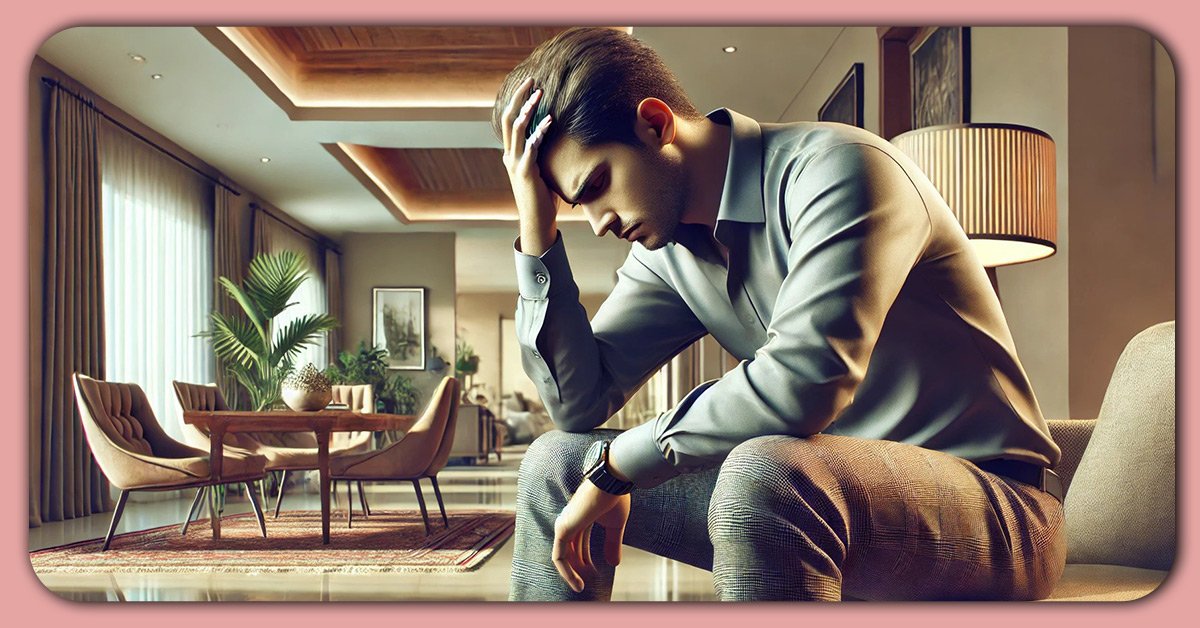
These influences can leave a lasting impact on their mental and emotional well-being, leading to feelings of insecurity, low self-esteem, and in some cases, mental health struggles like anxiety and depression.
Mon Therapy will explore why negative body image is becoming more prevalent among Pakistani teens.
What is a Negative Body Image?
Negative body image is a distorted perception of one’s physical appearance that leads to feelings of dissatisfaction, self-consciousness, and inadequacy. It occurs when individuals overly criticize their bodies, compare themselves to unrealistic standards, or feel they don’t measure up to societal or cultural ideals.
For teens, this struggle often stems from external pressures such as social media, peer comments, or family expectations. They may focus on perceived flaws, whether it’s weight, height, skin tone, or other features, leading to a constant cycle of self-criticism.
It’s important to recognize that negative body image is not just about appearance; it affects self-esteem, mental health, and overall well-being. A compassionate approach to addressing this issue involves promoting self-acceptance, encouraging healthy habits, and fostering an environment where teens feel valued for who they are, not just how they look.
Causes of Negative Body Image Among Pakistani Teens
Below are some of the key causes contributing to this rising concern.
1. Cultural and Traditional Beauty Standards
In Pakistan, traditional beauty ideals often emphasize fair skin, slim figures, and certain facial features as the standard for attractiveness. Teens are frequently exposed to these unrealistic norms through family, community, and cultural narratives. For many, failing to meet these standards can lead to feelings of inadequacy and self-doubt.
2. Influence of Media and Social Media
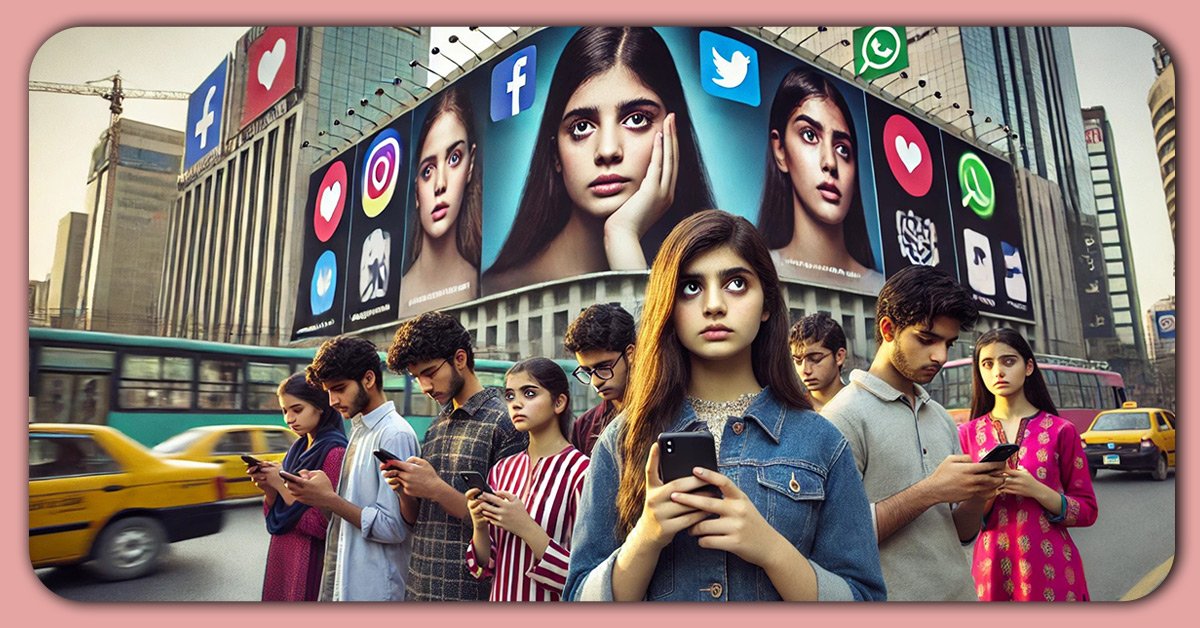
The dominance of social media platforms like Instagram, TikTok, and Snapchat has introduced teens to a flood of edited, filtered, and idealized images. Influencers and celebrities often showcase unattainable beauty standards, leaving teens to compare themselves and feel inferior. Additionally, the use of photo editing apps has blurred the line between reality and perfection, further fueling insecurities.
3. Peer Pressure and Social Comparison
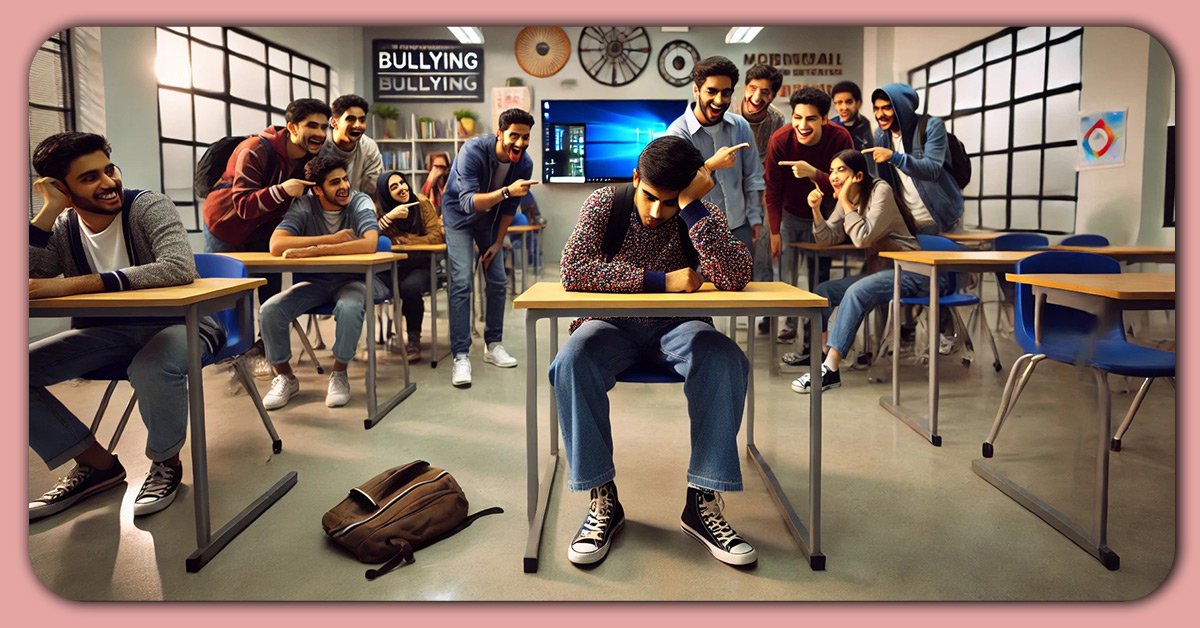
During adolescence, teens often seek validation from their peers, making them highly sensitive to comments or criticism about their appearance. Peer groups and classmates may unintentionally perpetuate body shaming or unhealthy comparisons, intensifying feelings of self-consciousness.
4. Family Environment and Expectations
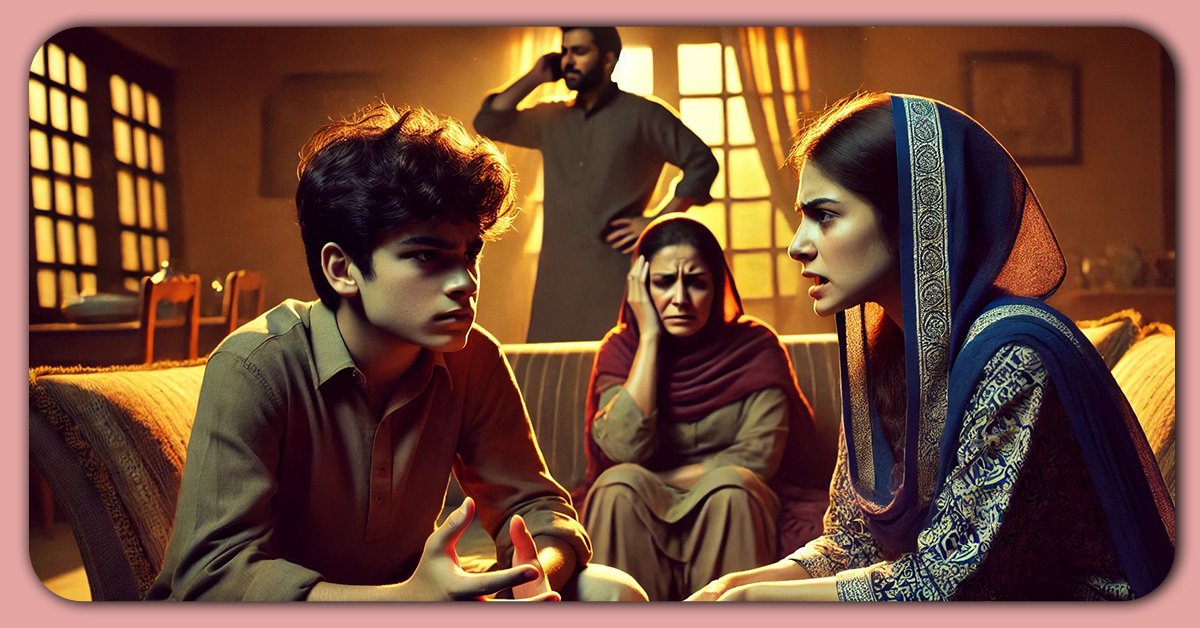
Family dynamics play a significant role in shaping body image. Teens who hear critical comments from parents or relatives about their weight, height, or complexion may internalize these remarks, leading to long-term insecurities.
5. Globalization and Western Beauty Norms
Globalization has brought Western beauty standards, such as thinness and flawless skin, into mainstream Pakistani culture. This shift often clashes with traditional body types and features, leaving teens feeling disconnected or pressured to conform to foreign ideals.
6. Academic and Extracurricular Pressures
In some cases, teens face additional pressures to maintain a certain appearance to fit into specific social groups, sports teams, or extracurricular activities. This adds another layer of stress and can negatively impact their relationship with their bodies.
7. Lack of Education and Awareness
Limited discussions about body positivity and self-acceptance in schools and families leave teens unprepared to challenge societal pressures. Without awareness, many are unable to critically evaluate the unrealistic standards they encounter daily.
Effects of Negative Body Image
Negative body image can have far-reaching consequences that affect a teenager’s mental, emotional, and physical well-being. Here are some of the most significant effects of negative body image on Pakistani teens:
1. Mental Health Issues
? Low Self-Esteem: Teens with negative body image often struggle with feelings of inadequacy and self-worth.
? Anxiety and Depression: Persistent dissatisfaction with one’s appearance can lead to chronic stress, anxiety, and depression.
? Body Dysmorphic Disorder (BDD): In severe cases, teens may develop an obsessive preoccupation with perceived flaws in their appearance.
2. Unhealthy Eating Habits
? Eating Disorders: Negative body image can result in conditions such as anorexia nervosa, bulimia, or binge eating disorder.
? Crash Dieting: Many teens resort to extreme dieting practices that can harm their physical health.
3. Physical Health Consequences
? Malnutrition and Weakness: Unhealthy dietary habits and extreme weight control measures can lead to nutritional deficiencies.
? Reduced Physical Activity: Teens who feel self-conscious about their appearance may avoid sports or exercise, further impacting their health.
4. Impact on Social Behavior
? Isolation and Withdrawal: Teens with body image issues may avoid social situations, fearing judgment or criticism about their looks.
? Overreliance on Social Media: Many seek validation online, which can create a harmful cycle of dependence on likes and comments to feel accepted.
5. Academic and Career Challenges
? Reduced Focus: Low self-esteem and mental health issues can distract teens from their studies and extracurricular activities.
? Limited Ambitions: Teens who struggle with body image may feel less confident pursuing opportunities, impacting their future prospects.
6. Strained Relationships
? Conflict with Family and Friends: Teens may become irritable or distant due to their insecurities, causing tension in relationships.
? Difficulty Trusting Others: Negative body image can make teens more sensitive to criticism, leading to misunderstandings or mistrust in friendships.
7. Long-Term Emotional Scars
If left unaddressed, the effects of negative body image can persist into adulthood, influencing personal and professional relationships, self-confidence, and overall life satisfaction.
How to Address and Prevent Negative Body Image
Below are some effective strategies to tackle this growing issue.
1. Promote Body Positivity
? Encourage Self-Acceptance: Help teens appreciate their unique features and understand that beauty comes in all shapes, sizes, and colors.
? Celebrate Diversity: Showcase diverse representations of beauty in schools, media, and advertisements to challenge narrow beauty standards.
2. Educate on Media Literacy
? Teach Critical Thinking: Educate teens on how social media and advertisements often portray unrealistic and edited images.
? Limit Screen Time: Encourage moderation in social media use and promote offline activities to reduce exposure to harmful comparisons.
3. Build a Supportive Family Environment
? Avoid Criticism: Refrain from making negative comments about a teen’s or anyone else’s appearance.
? Model Positive Behavior: Parents and guardians should demonstrate self-love and acceptance to inspire similar attitudes in teens.
? Foster Open Communication: Create a safe space for teens to discuss their insecurities without fear of judgment.
4. Incorporate Body Positivity in Schools
? Curriculum Integration: Introduce programs that educate students about self-esteem, body image, and mental health.
? Counseling Services: Provide access to counselors who can help teens address their insecurities and develop coping strategies.
5. Encourage Healthy Habits
? Focus on Well-Being: Shift the focus from appearance to health by promoting balanced diets, regular exercise, and adequate sleep.
? Avoid Weight-Centric Language: Emphasize the importance of fitness and strength rather than weight or size.
6. Raise Awareness Through Media and Campaigns
? Body Positivity Campaigns: Encourage local influencers, brands, and celebrities to advocate for body positivity.
? Highlight Role Models: Share stories of individuals who have overcome negative body image to inspire others.
7. Provide Professional Support
? Therapy and Counseling: Encourage teens to seek professional help if they struggle with severe body image issues or related mental health concerns.
? Workshops and Seminars: Organize community events that address the causes and effects of negative body image while offering actionable advice.
8. Cultivate Gratitude and Inner Qualities
? Focus on Strengths: Help teens recognize and celebrate their talents, skills, and qualities beyond physical appearance.
? Practice Gratitude: Encourage them to focus on what their bodies can do, like running, dancing, or simply being healthy.
Conclusion
Negative body image among Pakistani teens is a pressing issue fueled by societal pressures, cultural norms, and the pervasive influence of social media. Addressing this requires collective efforts from families, educators, and communities to foster self-acceptance and promote mental well-being.
If you or someone you know is struggling with body image issues, Mon Therapy is here to help. Our compassionate counselors specialize in empowering teens to build self-esteem and embrace their unique beauty.
Recommended reading
 Addressing the Stigma Around Mental Health in Pakistan
18 Aug 2025
Addressing the Stigma Around Mental Health in Pakistan
18 Aug 2025
 The Role of Mentorship in Shaping Futures in Pakistan
26 Aug 2025
The Role of Mentorship in Shaping Futures in Pakistan
26 Aug 2025
 Ways to Boost your Mood Naturally
26 Mar 2024
Ways to Boost your Mood Naturally
26 Mar 2024
 How Anxiety Affects the Body and Mind
23 Apr 2025
How Anxiety Affects the Body and Mind
23 Apr 2025
Need to talk?
Sessions with a licensed psychologist, online or in person at our clinic in Bahria Town, Rawalpindi.
Book a session ↗